

For small and medium-sized businesses, successful entry into the Norwegian market goes beyond offering a competitive product or export capability. It requires a thoroughly structured investment project. Norwegian partners place particular value on transparency, a clear structure, regulatory compliance, and a sound understanding of the project’s economic rationale. Ultimately, the quality of project preparation is what determines a company’s readiness to attract financing, build trust, and establish long-term partnerships in the Norwegian market.
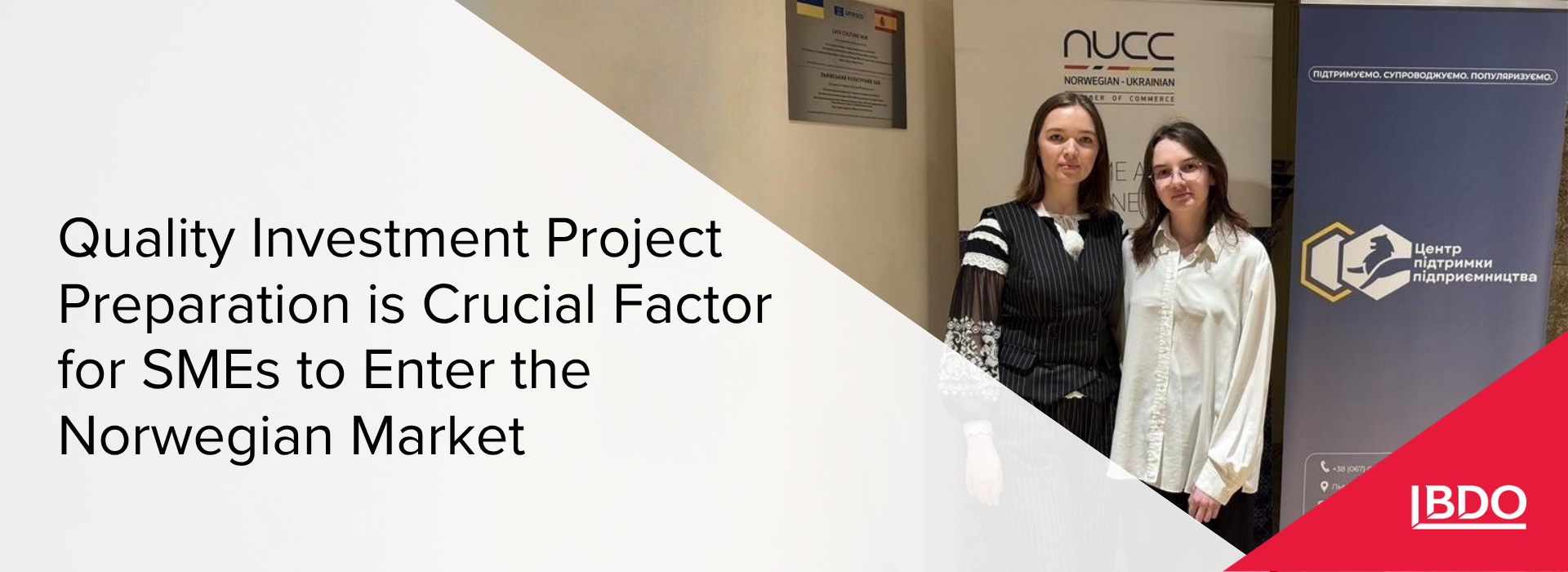
This topic was a key focus of the two-day capacity-building training for Ukrainian companies, “Entering the Norwegian Market”, organised by the Norwegian-Ukrainian Chamber of Commerce (NUCC) in cooperation with the Lviv City Council’s Center for Entrepreneurship Support and the Economic Development Department of the Lviv City Council. Hosted at the Lviv Culture Hub, the programme convened Ukrainian companies interested in scaling their exports and establishing cooperation with Norwegian partners.
Designed primarily for small and medium-sized enterprises, the training focused on building a practical, market-oriented understanding of Norway’s business environment. Key topics included market entry readiness, regulatory and trade compliance, business culture, and access to finance, delivered through expert insights, interactive discussions, and practical exercises.
Strategic context of the training
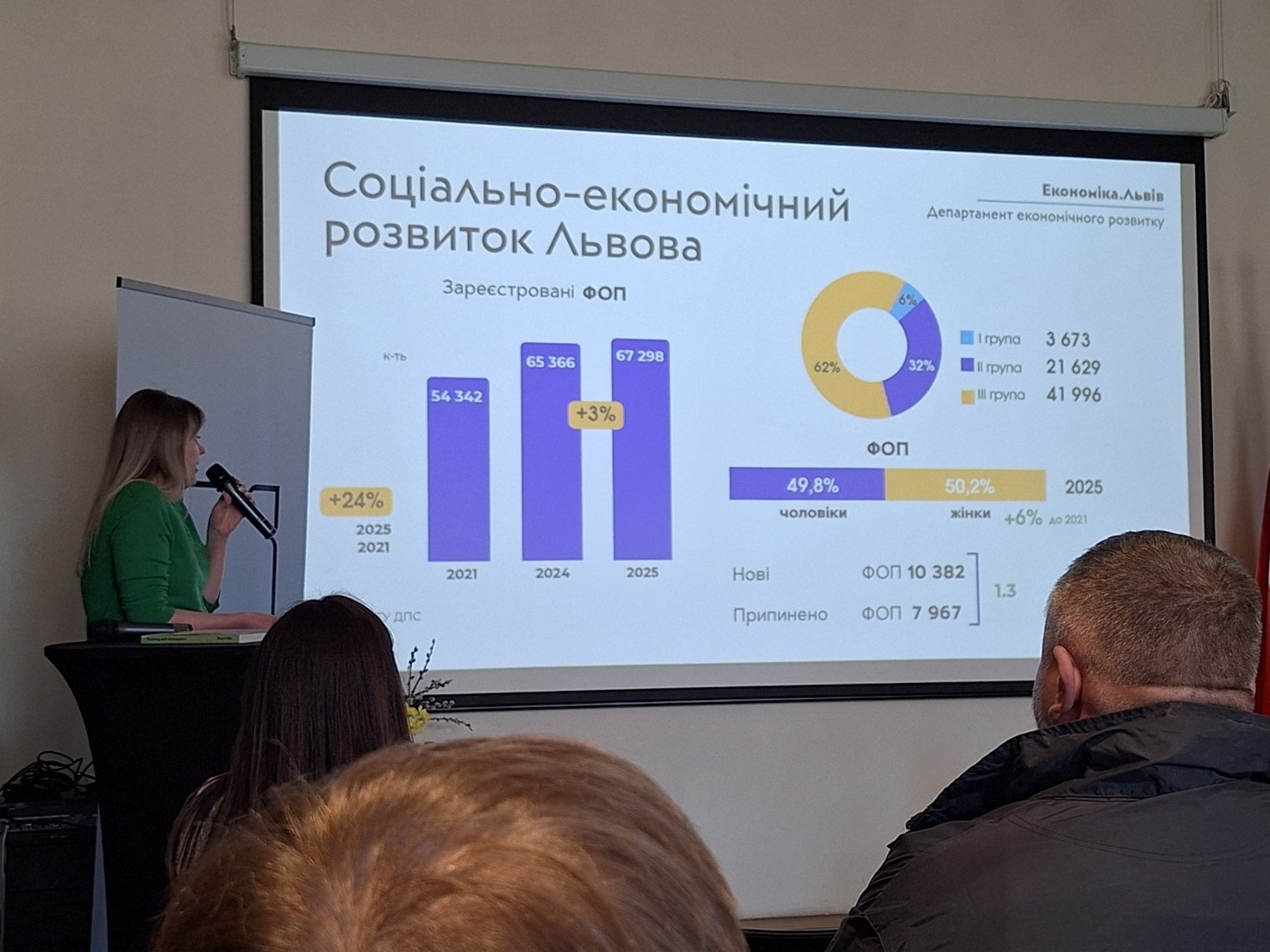
The opening session featured remarks by Yuliia Voitekhova, Director of the Center for Entrepreneurship Support, and Inna Svystun, Director of the Economic Development Department of the Lviv City Council, who also provided an overview of Lviv’s economic potential; and Halvor Heggenes , Second Secretary of the Royal Norwegian Embassy in Kyiv.
The session also featured introductory presentations by Anastasia Antonyk and Andreas L. Tranøy from the Norwegian-Ukrainian Chamber of Commerce (NUCC). Their presentations outlined the key considerations for Ukrainian companies planning to enter the Norwegian market and highlighted the significant potential for expanding Ukrainian exports to Norway.
One of the key conclusions of the NUCC discussions was that Norwegian partners pay particular emphasis on trust and confidence in their counterparts. In cooperation with Norwegian businesses, a decisive factor is:
- company integrity, which includes transparent corporate governance
- ethical behaviour
- compliance with regulatory requirements
- proven reputation
All of these elements are critical to building long-term, sustainable business relationships and creating trust in cooperation.
Norwegian market and business environment
During the first day, participants explored the structure and key characteristics of the Norwegian market, including consumer behaviour, market expectations, and industry-specific features relevant to Ukrainian exporters. Particular attention was given to Norwegian business culture, communication practices, and the practical aspects of working with Norwegian companies — factors identified as critical for building trust and establishing sustainable business relationships in Norway.
The programme also covered Norwegian grant programmes, investment instruments, and available support mechanisms, illustrated through examples of successful business cases. Expert presentations were delivered by representatives of the NUCC, Ellis Culture, GIZ Ukraine and the Lviv Furniture Cluster.
Trade, regulation and export readiness
The second day of the programme focused on trade and regulatory frameworks essential for export activities. The opening session, led by Olena Panakhyd, Associate at First Chair Legal, addressed the Free Trade Agreement between Ukraine and the European Free Trade Association (EFTA), with a particular focus on Norway. The session provided an in-depth overview of rules of origin, customs procedures, and regulatory compliance requirements.
Project preparation and access to finance
The second part of the programme was delivered by Ilona Yanovska, Analyst at BDO Ukraine. It was devoted to the analysis of common challenges, structural gaps and typical mistakes that companies face when preparing projects to attract financing for business development and export expansion.
“Expanding the activities of Ukrainian SMEs requires a systematic approach to assessing their readiness — both in terms of export capacity and investment attractiveness. In practice, a project’s level of investment readiness is a critical factor in decisions related to cooperation and financing.”
Norwegian companies and financial institutions place particular emphasis on the trustworthiness and predictability of their counterparts. As a result, an investment project must demonstrate not only a viable business idea, but also transparent governance, regulatory compliance, adherence to ethical standards, and a proven reputation. Together, these elements form the foundation for long-term, sustainable business relationships.
Investment project as a tool for market entry
For SMEs planning to enter the Norwegian market, an investment project serves several critical functions simultaneously. It:
- confirms market feasibility and the existence of real demand
- explains the technical solution and implementation logic
- demonstrates financial viability, funding requirements, and expected outcomes
- reduces risks for investors and partners through a clear structure and transparent calculations
Without a properly prepared investment project, even highly promising companies face limited access to financing and challenges in establishing partnerships in the Norwegian market.
Typical challenges in preparing investment projects
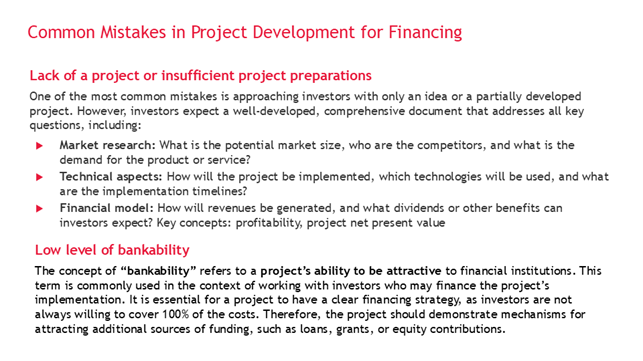
In practice, companies often encounter a range of internal and external barriers when preparing investment projects. Internal challenges typically include limited experience in attracting investment, insufficient project maturity, weak financial transparency, and resource constraints. External factors may involve difficult access to funding programmes, conservative risk assessment approaches, and limited awareness of available support instruments.
The most common shortcomings observed in investment projects include:
- superficial or insufficient market analysis
- underdeveloped technical and financial components
- unrealistic assumptions about timing and results
- low project “bankability”
What Norwegian partners expect from the investment project
An effective investment project for the Norwegian market must be clear, logically structured, and credible. It should guide an investor or donor in a consistent manner — from the strategic idea through to practical implementation. This requires:
- reliance on robust market research with clearly defined competitive positioning
- realistic implementation plans with defined milestones and timelines
- a transparent financial model that demonstrates investment requirements, sources of funding and expected economic or socio-economic value
A professionally prepared investment project, supported by a coherent and well-structured set of materials, significantly increases trust and strengthens the perception of the project as feasible and scalable within the Norwegian market.
Results and future prospects
For Ukrainian companies and SMEs seeking to enter the Norwegian market, high-quality preparation of investment projects is not an added advantage — it is a fundamental prerequisite. It determines a company’s readiness to attract financing, establish partnerships, and build a sustainable presence in one of Europe’s most demanding yet promising markets.
At the same time, practical educational initiatives that combine market insights, regulatory knowledge, and hands-on tools for investment project preparation play a crucial role in building this readiness. We would like to express our appreciation to the organisers of the training for creating a high-quality platform for knowledge exchange, strengthening the export and investment potential of Ukrainian businesses, and opening new opportunities for their scale-up in the Norwegian market.
BDO in Ukraine continues to support Ukrainian companies at every stage of their international expansion — from assessing investment readiness and structuring projects to developing financial models and facilitating cooperation with international partners.
If your company is planning to enter the Norwegian market or requires support in preparing an investment project, please contact the team of BDO in Ukraine. We will help you turn your idea into an investment-attractive project.