


The forum titled “Partnership for a Better Future: Recovery and Strategic Development of Municipalities” took place in Kyiv, organised by the Institute Respublica and the all-Ukrainian initiative “Active Municipality”. A panel discussion on the role of business in municipality recovery brought together leading Ukrainian and international company representatives.
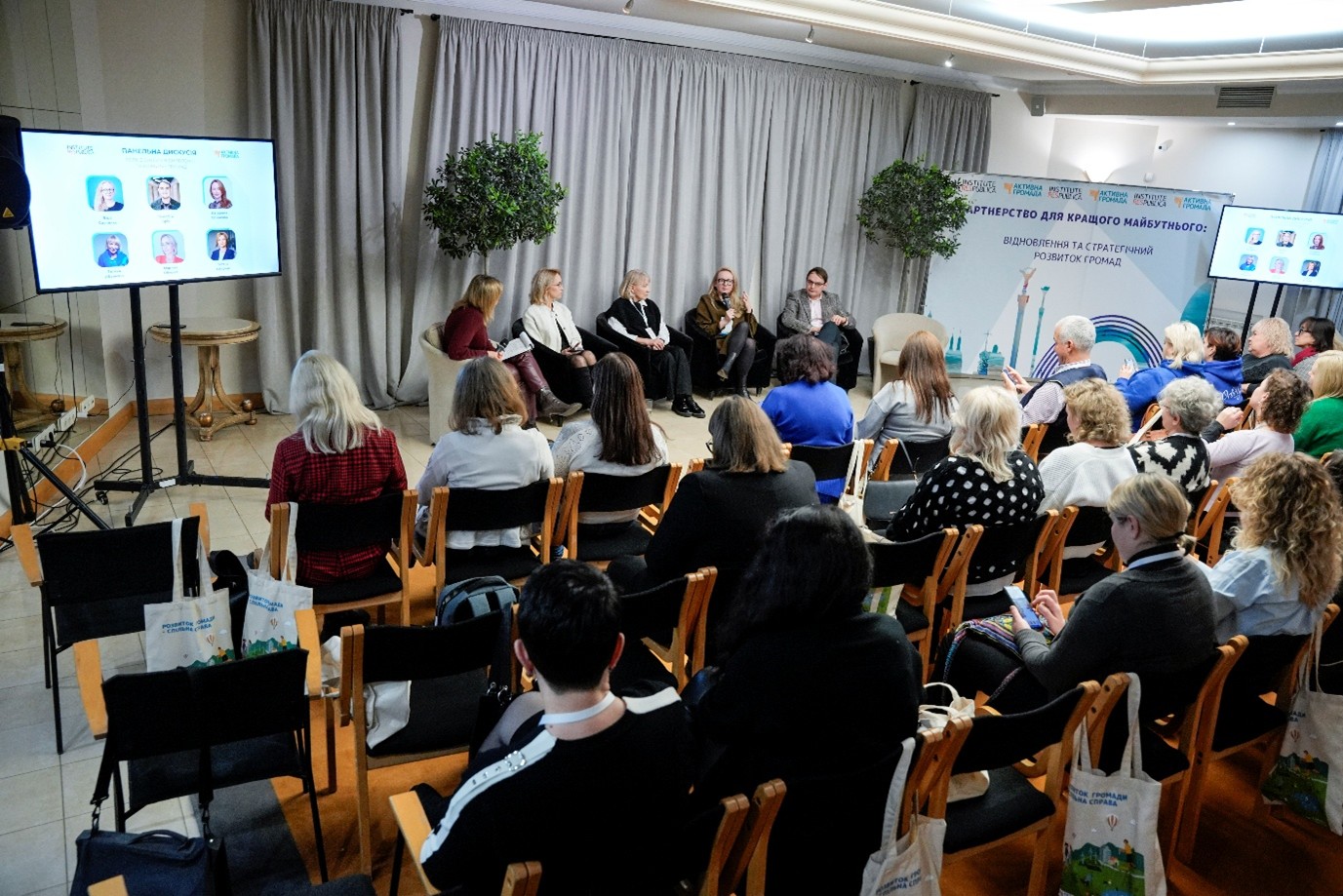
One of the event’s key topics was the role of business in the post-war recovery of Ukraine’s territorial communities, particularly given the profound transformational processes currently facing the state and society. Participants discussed how collaboration between the government, civil society and businesses could lay the groundwork for sustainable development in the years ahead. There was a particular focus on transitioning from sporadic municipality support to systemic partnerships based on transparency, trust and measurable results.
During the opening sessions of the forum, participants discussed the development and recovery of Ukrainian municipalities during wartime, potential investment and grant opportunities, as well as the best practices in recovery, civic engagement and strategic planning. Representatives from the Ministry for Development of Communities and Territories of Ukraine, leading universities, international foundations, heads of territorial communities and the Head of the UNESCO Office in Ukraine were among those involved in the discussions.
Vira Savchenko, the CEO of BDO in Ukraine and a member of the Dnipro Coordination Council at the European Business Association, represented the company at the event. She participated in a discussion about the role of businesses in municipality recovery and development. During her speech, she emphasised that businesses should not only act as investors or donors, but also become active participants in the strategic planning of municipality development, particularly in regions that have been destroyed or remain in high-risk zones.
During the panel discussion together with Tymofii Brik, Rector of the Kyiv School of Economics; Kateryna Spivakova, Director of Communications and Government Relations at Kernel; Tetiana Abramova, Founder of Rito Group; and Maryna Obushyna, Development Director at “Insurance Advocate,” moderated by Tetiana Volochai, Head of the Community Development Council of the MHP-Hromadi Foundation, Vira Savchenko discussed approaches to measuring the impact of business on municipalities and the role of ESRS standards in shaping transparent, systemic interaction between businesses, municipalities and the state.
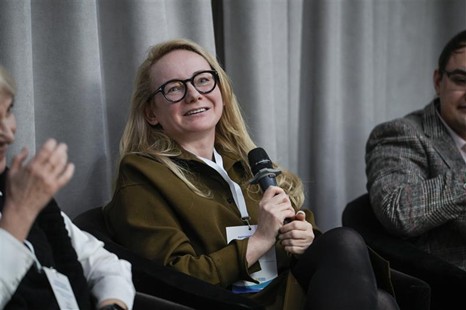
In response to a question from Tetiana Volochai, the Head of the MHP-Hromadi Foundation and moderator of the panel, regarding which future indicators will best illustrate the impact of businesses on municipalities and their interaction with them, Vira Savchenko emphasised the pivotal role of the European Sustainability Reporting Standards (ESRS). These standards already form a common “language” for businesses, municipalities, the state and investors, enabling the assessment of not only the volume of resources invested, but also the real changes taking place in municipalities as a result of business interaction.
She also highlighted that ESRS S3 — Affected Communities — directly describes the impact of businesses on municipalities and their level of engagement. This includes the policies regarding municipality impact, regular dialogue processes, as well as feedback and grievance mechanisms. It also involves recording the negative and positive effects of interactions. These disclosures reflect investments in municipalities, joint projects and long-term development programmes, rather than one-off charitable initiatives.
In addition to ESRS S3, the impact of businesses on municipalities is reflected in other standards, particularly ESRS G1 (business ethics and trust) and ESRS S1 (economic integration of businesses into municipalities through job creation and human capital development). Environmental standards ESRS E1–E3 also involve municipalities in the joint management of climate and environmental risks.
“Here at BDO in Ukraine, we believe that municipality recovery is about more than just infrastructure; it’s about creating conditions that allow people to live, work and feel safe. Businesses have the potential to drive new standards in transparency, resource management and sustainability. Most importantly, it can build trust. Since 2022, we have learned to work amid uncertainty while maintaining high quality and social responsibility standards. We must now scale up this experience in cooperation with municipalities,” said Vira Savchenko.
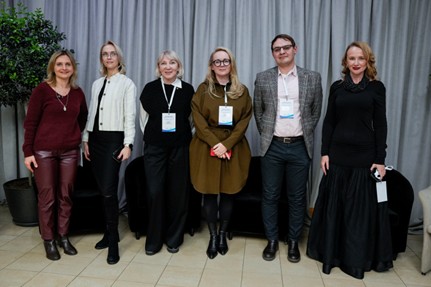
In addition, the forum focused on topics such as “Culture and Identity of Municipalities During Wartime” and “Recovery of the Individual — Recovery of Municipalities: Psychological and Rehabilitation Programmes”. Speakers emphasised that preserving cultural identity and supporting mental health are critically important for municipality resilience. Discussions included contributions from a strategy expert, the Head of the Department of Culture, the Director, CEO and Head of the Board of the Institute Respublica, the Minister of Social Policy, Family and Unity, the Executive Director of the Ukrainian Veteran Fund, an art therapist and a PTSD recovery instructor.
BDO in Ukraine would like to thank the organisers, the Institute Respublica and the “Active Municipality” Initiative, for the opportunity to contribute to a dialogue that will shape the foundation of a new economic reality for Ukrainian municipalities. We would also like to thank them for their professional approach to organising a discussion that shall set a new agenda for the country’s post-war recovery.
Events like these help to establish a shared vision of development, founded on trust, transparency and strategic thinking.
BDO in Ukraine will continue to be actively involved in the country’s transformation processes — through expertise, analytics, practical solutions and participation in key national initiatives. We uphold the principle that sustainable municipality development is a prerequisite for economic growth.
We are open to cooperation and ready to join joint projects — please contact us.